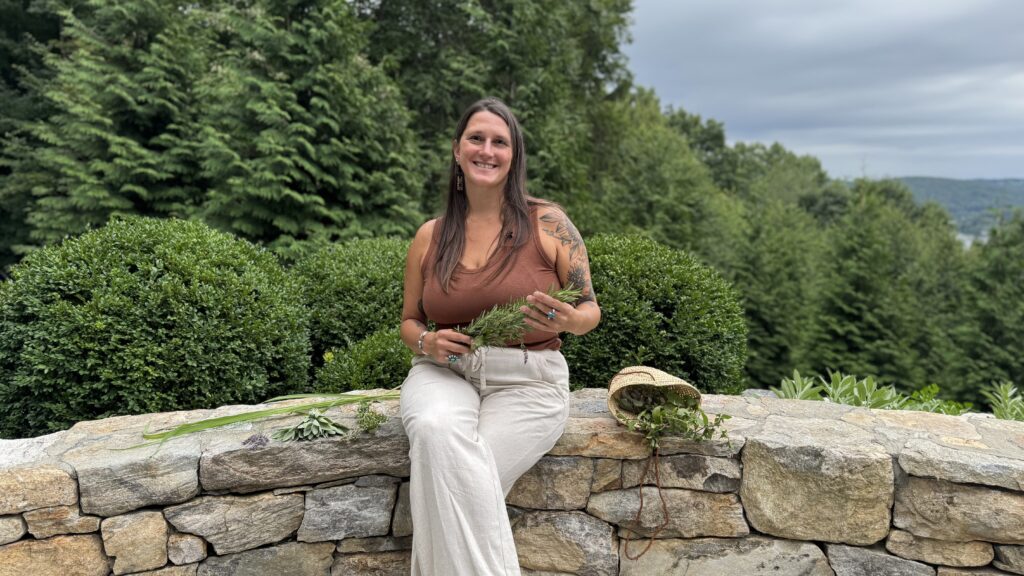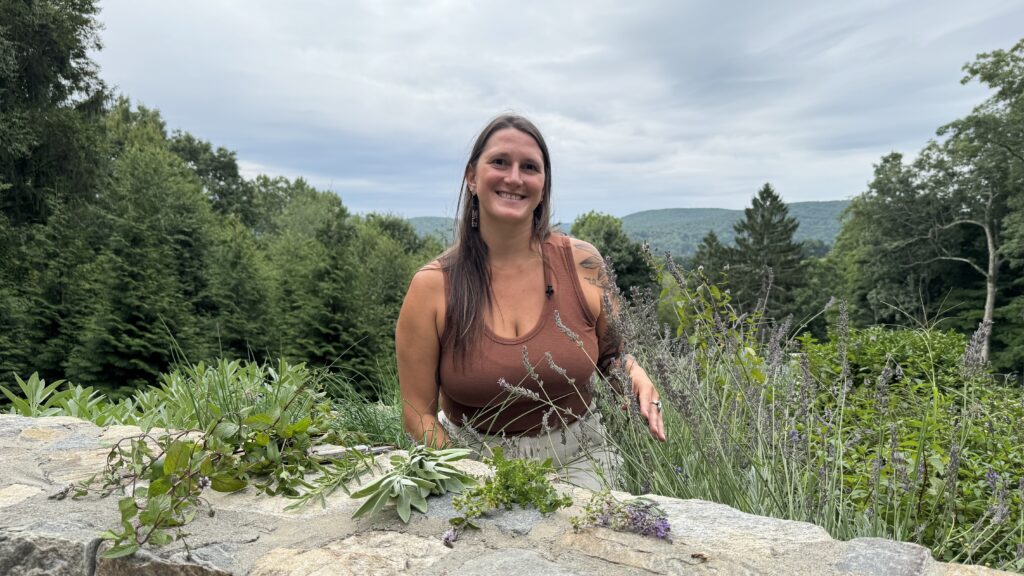


What if herbalism began with relationship, not remedies?
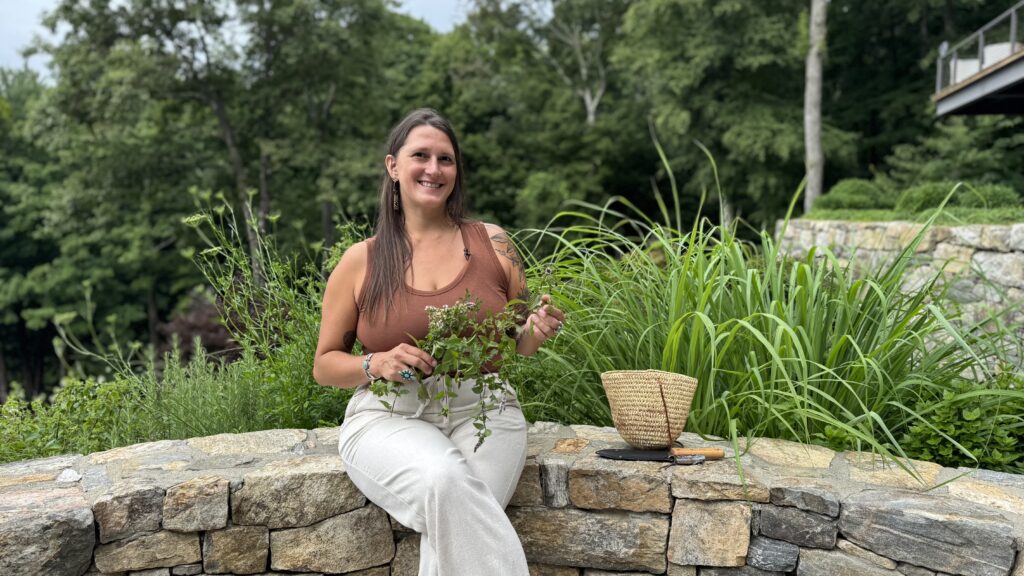
In this garden-based introduction to herbalism, Dr. Lindsey Chmielewski invites you to slow down and meet familiar plants as living allies. Rather than beginning with a list of symptoms and asking only what an herb is “good for,” this Gaia Goddess Earth Medicine lesson explores a different starting point: attention, reciprocity, seasonality and respect.
Disclaimer: If you are recovering from an injury, pregnant, postnatal, nursing or elderly, or have recurring or chronic pain, or any circumstance, consult your doctor for approval concerning your voluntary participation. Instructions provided on the Gaia Goddess Lifestyle platform and elsewhere are in no way intended as a substitute for medical advice. Participation is done at your own risk.
Meet the plants already around you
Using familiar culinary herbs such as sage, lavender, mint, rosemary, thyme and oregano, Dr. Lindsey demonstrates how scent, texture, plant form and season can become part of the way you learn. You’ll see why crushing an aromatic leaf releases volatile compounds you can smell, how a square stem can be one clue that a plant belongs to the mint family, and why plant identification should always rely on more than a single feature.
Herbalism as reciprocity
The lesson also explores what it means to live in relationship with plants: growing them, observing them, honoring their cycles and remembering that herbal knowledge comes through many cultures, families and knowledge systems. Gaia Goddess approaches Earth Medicine as a reciprocal practice—learning not only what plants may offer us, but how we can meet the living world with attention, gratitude and stewardship.
A simpler way to begin
You do not need an elaborate garden or rare imported ingredients to begin. A windowsill herb, grocery-store mint or rosemary already in your kitchen can become an invitation to notice more deeply. Sometimes beauty, scent, nourishment and the act of paying attention are part of the relationship too.
What You’ll Learn
How to begin herbalism through observation and relationship rather than a symptom-first mindset.
- Why seasonality and plant parts matter when learning about herbs.
- How scent, texture and stem shape can become useful identification clues.
- Why familiar culinary herbs are approachable “bridge plants” for beginners.
- How traditional energetic language such as warming and cooling fits within herbal traditions.
- Why cultural lineage, stewardship and reciprocity matter when learning plant medicine.
Benefits of this practice
- Build confidence approaching herbalism without needing an advanced apothecary.
- Develop closer observation of everyday plants and seasonal change.
- Create a more grounded, reciprocal relationship with the living Earth.
- Bring mindfulness, beauty and presence into ordinary interactions with herbs and food.
About Dr. Lindsey Chmielewski
Dr. Lindsey Chmielewski brings a relationship-centered approach to herbal education, weaving practical plant knowledge, seasonal observation and traditional frameworks into everyday ways of working with herbs. In this Gaia Goddess series, she guides viewers through garden and kitchen practices designed to make Earth Medicine more approachable while emphasizing respect for plant traditions, individual context and safety. Publishing note: replace or expand this paragraph with the practitioner’s formally approved credentialed bio once her exact name spelling and credentials are confirmed.
You May Also Like