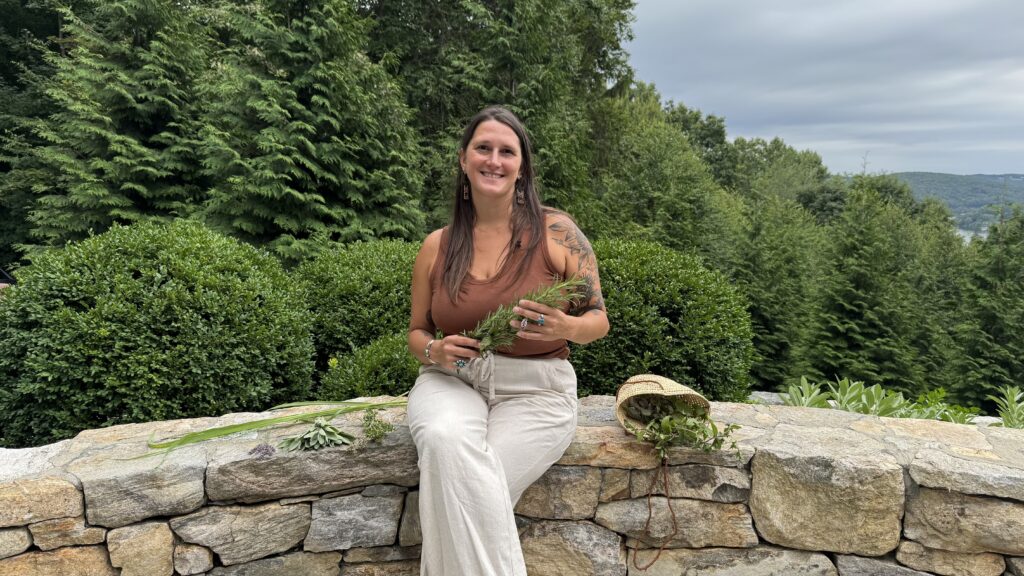

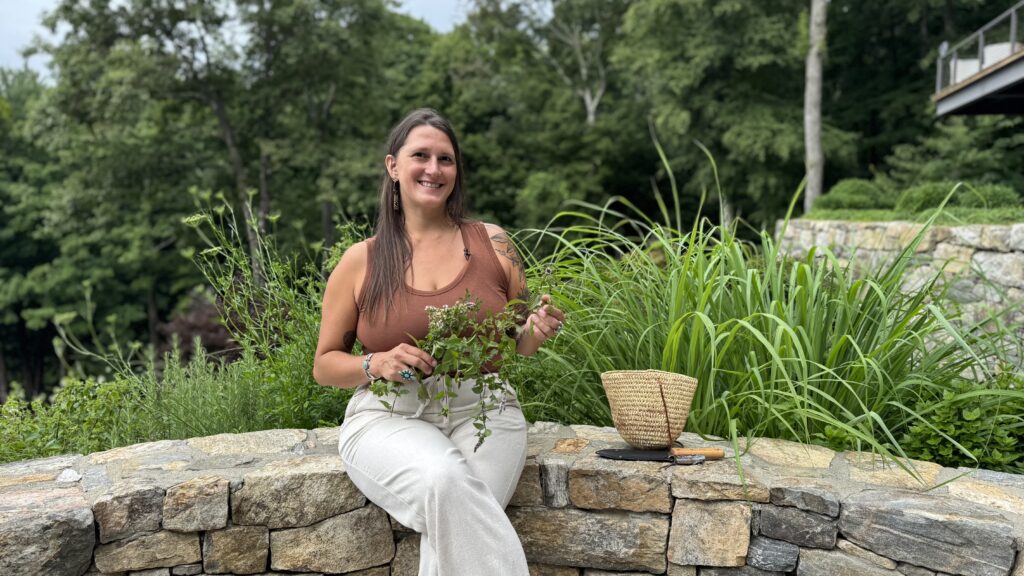
 Herbalism for Beginners: Build a Relationship With Plant Medicine
Adaptogens and nervines are not the same thing
“Adaptogen” is now a popular wellness word, but it comes from a specific history of herbal and stress-response research. In this Gaia Goddess lesson, Dr. Lindsey compares adaptogens with nervines so you can understand what each category is trying to describe—and why the individual herb, preparation and person still matter.

Disclaimer: If you are recovering from an injury, pregnant, postnatal, nursing or elderly, or have recurring or chronic pain, or any circumstance, consult your doctor for approval concerning your voluntary participation. Instructions provided on the Gaia Goddess Lifestyle platform and elsewhere are in no way intended as a substitute for medical advice. Participation is done at your own risk.
Adaptogens: a stress-response concept
Herbs commonly discussed as adaptogens include ginseng, schisandra, tulsi, eleuthero, rhodiola and ashwagandha. Research is uneven across herbs and products, so the revised lesson avoids promising that an adaptogen will automatically “normalize” stress hormones or work the same way for everyone. Instead, it treats adaptogens as an herbal framework for plants studied or traditionally used in relation to resilience, fatigue and stress.
Nervines: herbs used in nervous-system traditions
Nervines are a broader herbal category often used to describe plants traditionally associated with calming, soothing or supporting the nervous system. Lemon balm, passionflower, motherwort and linden are examples discussed in the lesson. Their effects and safety profiles differ, so matching “stress” to one universal herb is not the goal.
Medicinal mushrooms and foraging
The video also introduces functional and medicinal mushroom traditions. This is an opportunity to deepen Earth Medicine through ecology and seasonal observation—but only with strict identification. Wild mushrooms can be dangerously toxic, and no mushroom should be eaten unless identification is certain.
What You’ll Learn
- How the adaptogen concept developed and how it differs from the broader nervine category.
- Examples of herbs commonly discussed within each category.
- Why “stress” is not one single presentation and why herb choice is individualized.
- How medicinal mushroom traditions fit into Earth Medicine without treating all mushrooms as equivalent.
- Why wild mushroom identification requires expert-level caution.
- Why herb-drug interactions and health conditions matter when using concentrated products.
Benefits of This Learning Experience
- Understand two commonly confused herbal categories.
- Connect herbal education with nervous system regulation without promising an on/off stress switch.
- Build more realistic expectations about adaptogen research.
- Approach medicinal mushrooms with curiosity and strong foraging safety.
About Dr. Lindsey Chmielewski
Dr. Lindsey Chmielewski brings a relationship-centered approach to herbal education, weaving practical plant knowledge, seasonal observation and traditional frameworks into everyday ways of working with herbs. In this Gaia Goddess series, she guides viewers through garden and kitchen practices designed to make Earth Medicine more approachable while emphasizing respect for plant traditions, individual context and safety. Publishing note: replace or expand this paragraph with the practitioner’s formally approved credentialed bio once her exact name spelling and credentials are confirmed.
You may also enjoy
You May Also Like
Herbalism for Beginners: Build a Relationship With Plant Medicine