The Forgotten Power of Earth Medicine
Everyday Herbs, Ancient Wisdom, and Earth Healing for Women
There was a time when the kitchen cupboard, courtyard, garden, forest, mountain, and marketplace were also part of the family medicine cabinet.
Long before pharmacies and modern health websites, people around the world developed intimate relationships with the plants growing around them. Leaves were steeped. Flowers were infused. Roots were ground. Seeds and spices became food, fragrance, ritual, and medicine.
This wisdom did not belong to one people or one tradition. It developed differently across cultures and landscapes, carried through families and oral traditions, midwives and community healers, Indigenous knowledge systems, temples, monasteries, and sophisticated written systems of medicine.
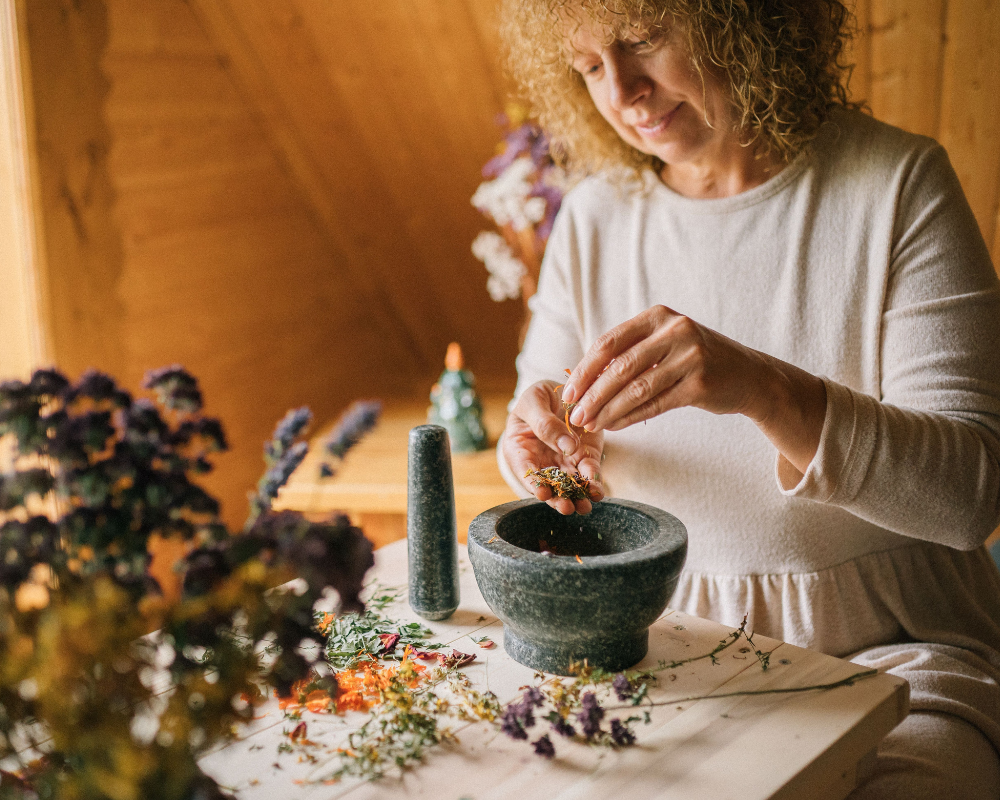 In many communities, women were among the keepers and transmitters of this knowledge. Plants could provide nourishment, comfort, fragrance, beauty, ceremony, and healing. They accompanied women through menstruation, pregnancy, postpartum life, menopause, grief, aging, and the everyday work of caring for themselves and others.
What these traditions shared was something many of us have lost:
An intimate relationship with the living Earth.
People knew where a plant grew. They knew when it flowered, which part was gathered, and how it was prepared. Just as importantly, traditional healers learned when a plant should not be used.
At Gaia Goddess, Earth Medicine invites us back into this relationship.
It also connects naturally with Womb Wisdom, our invitation for women to understand and honor the rhythms, transitions, and intelligence of the female body throughout life.
This does not mean romanticizing the past or replacing modern medicine. It means remembering that many of the herbs we sprinkle over dinner, steep into tea, or pass casually in the grocery aisle carry histories far older than today’s wellness industry.
Modern researchers are now studying some of the same plants that traditional healing systems have valued for generations.
Some may already feel familiar.
But their stories may not be.
Here are six of them.
Saffron: Golden Threads of Persia
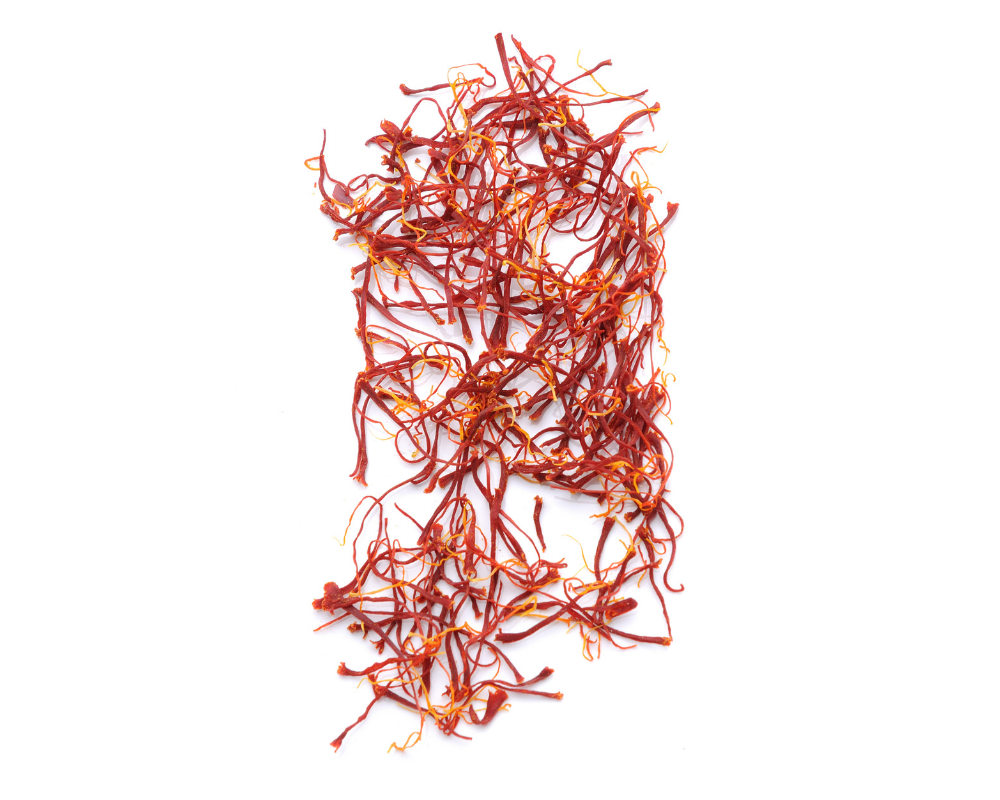
Cultural roots: Traditional Persian medicine, Islamic medicine, Ayurveda, and traditions across the Mediterranean and Asia
Women’s wellbeing connection: PMS, menstrual comfort, and mood
Saffron begins as a flower.
Each crimson thread comes from the stigma of Crocus sativus. Because the stigmas must be gathered carefully and in large numbers, saffron has remained one of the most treasured spices in the world.
Most of us recognize saffron as the spice that turns rice golden.
Its deeper story is far less familiar.
Saffron has a history reaching back thousands of years. Evidence of its use appears in the ancient Mediterranean world, while Persia became an especially important center of saffron cultivation and medicinal knowledge.
Historical Persian and Islamic medical texts contain extensive references to saffron and its uses. Persian physicians, including al Razi and Ibn Sina, known in the West as Avicenna, documented saffron in influential works of medicine.
Explore Research On Saffron’s Traditional History And Uses.
In traditional Persian medicine, saffron was associated with vitality and emotional wellbeing. Knowledge and use of saffron also became part of Unani, Ayurvedic, and other medical traditions across Asia and the Mediterranean.
Saffron is a reminder that even a familiar ingredient can carry a much larger lineage than we realize.
Why Saffron Is Particularly Interesting For Women
Saffron offers one of the clearest connections in this article between Earth Medicine and Womb Wisdom.
Modern research has examined saffron specifically in women experiencing premenstrual syndrome and menstrual pain.
A recent systematic review and meta analysis of clinical trials found that saffron was associated with improvement in symptoms of premenstrual syndrome and showed potential for reducing dysmenorrhea, or painful menstruation. Evidence for menstrual pain was less robust than the evidence for PMS, so these findings are best understood as promising rather than definitive.
Read The Saffron, PMS, And Dysmenorrhea Review.
Researchers have also investigated saffron in relation to mood, an area that may be particularly relevant for women who experience emotional changes around the menstrual cycle.
The deeper Womb Wisdom invitation is not to view the menstrual cycle as something that constantly needs to be corrected.
It is to become more aware of what the body is communicating and to explore supportive practices with discernment.
Bringing Saffron Into Your Life
Take a few threads between your fingers.
Notice their color and scent.
Steep them in a little warm water before adding them to rice, soup, or warm milk.
Watch the water slowly turn gold.
The ritual can be part of the experience.
Medicinal and supplemental quantities are different from the small amounts typically used in food. Anyone considering therapeutic doses should discuss them with a qualified healthcare professional, particularly during pregnancy.
Continue Your Womb Wisdom Practice
Pair this exploration with Gaia Goddess’s Gentle Movement for Menstrual Cramp Relief.
You can also explore Release Emotional Blocks with Womb Healing and Sacral Chakra Practices.
Lavender: The Medicine of Scent and Memory
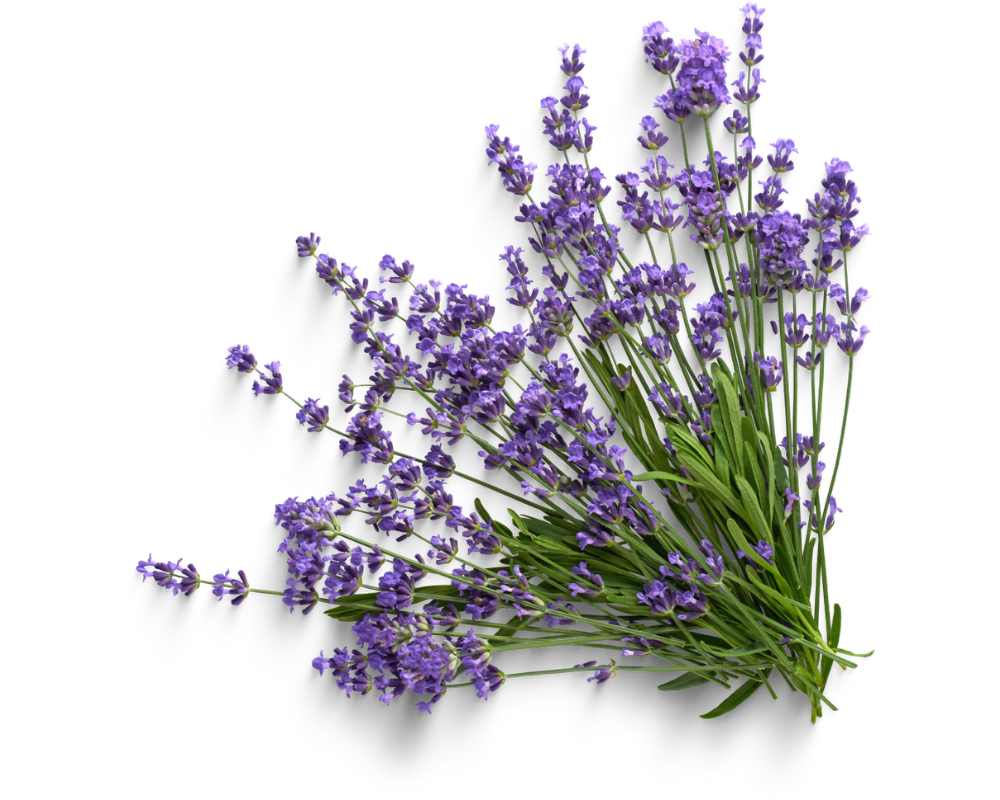
Cultural roots: Mediterranean and European herbal traditions
Women’s wellbeing connection: Relaxation, anxiety support, sleep, and menstrual comfort
If saffron invites us through curiosity, lavender draws us in through recognition.
Lavender has become so familiar through soaps, candles, shampoos, and linen sprays that it is easy to forget the plant itself.
The genus Lavandula is deeply rooted in the Mediterranean region, where lavender species have been used in traditional medicine and domestic life for centuries.
Its name is commonly connected with the Latin lavare, meaning “to wash,” reflecting lavender’s longstanding association with bathing and fragrance.
Historical claims about lavender should be made carefully. Modern accounts sometimes repeat stories about specific uses in ancient Egypt or Rome without strong archaeological evidence. What is well established is lavender’s long relationship with Mediterranean and European herbal traditions.
Explore The National Center For Complementary And Integrative Health Overview Of Lavender.
There is something wonderfully physical about lavender.
Rub a flower gently between your fingertips, and its aroma is released immediately.
Earth Medicine is not always something we swallow.
Sometimes the relationship begins with scent, touch, and the body’s awareness of the natural world.
Why Lavender Is Particularly Interesting For Women
Lavender creates another meaningful bridge between Earth Medicine, Nervous System Regulation, and Womb Wisdom.
Lavender has been studied for anxiety and relaxation, but research has also looked specifically at menstrual discomfort.
In one randomized clinical trial involving women with primary dysmenorrhea, participants using lavender aromatherapy reported lower menstrual pain than those receiving placebo.
Read The Randomized Lavender And Menstrual Pain Study.
Another randomized trial also reported improvements in symptoms associated with primary dysmenorrhea among women who inhaled lavender.
Read The Lavender And Dysmenorrhea Clinical Trial.
These are encouraging findings, but they do not mean lavender should replace appropriate evaluation or treatment for persistent menstrual pain.
For Gaia Goddess, the larger connection is powerful.
Supporting the nervous system and tending to the menstrual body do not have to be separate conversations.
A Story of Connection
For Debra, lavender carries another kind of medicine:
Memory.
She grew up hearing that she was her grandmother Lavenda reincarnated. Whether understood literally, spiritually, or simply as a powerful family story, lavender became a connection to lineage, the Earth, and the women who came before her.
Today, Debra makes dried herb and flower bouquets from her garden and nearby mountains. She also donates bundles of homegrown lavender, rosemary, and other herbs to the Conejo Valley food pantry in Thousand Oaks, California.
“Sharing what grows around me has become my own kind of earth medicine. It makes me feel connected to my lineage and to the Earth. There’s so much joy in being able to create something beautiful and share it with others.”
Perhaps this is another expression of Earth Medicine.
A plant does not always have to treat an illness to have meaning.
It can connect us with memory, generosity, place, and lineage.
Continue Your Earth Medicine Practice
Explore the Gaia Goddess Practice: Learn To Soothe Your Heart With Lavender And Cacao.
For the nervous system connection, continue with Breathwork Techniques For Nervous System Regulation.
Ginger: The Root That Warms
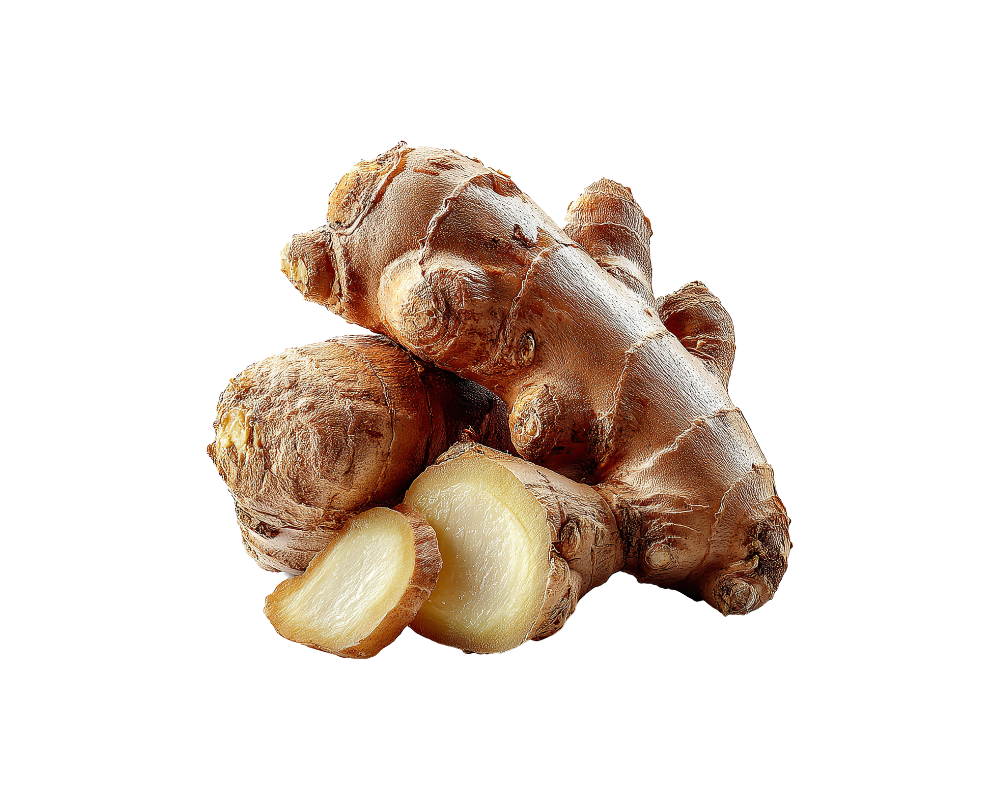
Cultural roots: Ayurveda, traditional Indian medicine, Traditional Chinese Medicine, and healing traditions across Asia
Women’s wellbeing connection: Menstrual comfort, digestive support, and pregnancy related nausea
Lavender reminds us that a plant can carry memory.
Ginger reminds us that Earth Medicine may already be sitting in the kitchen.
Break open a piece of fresh ginger, and the plant announces itself immediately.
Its pale golden flesh releases a sharp, warming fragrance before you even taste it.
Ginger is so familiar in kitchens today that it is easy to overlook the depth of tradition carried within this humble root.
More precisely, the part we use is a rhizome, the underground stem of Zingiber officinale.
Ginger has been valued as both food and medicine across Asia for centuries. It occupies an important place in traditional Indian medicine and Ayurveda, where both fresh and dried ginger have been used in food and traditional preparations, particularly in connection with digestion and warming the body.
Explore Research On Ginger’s Traditional Uses And Pharmacology.
Traditional Chinese Medicine also distinguishes between preparations of ginger rather than treating them as interchangeable.
Fresh ginger, known as sheng jiang, and dried ginger, known as gan jiang, historically developed different roles within the Chinese medical system.
This distinction offers an important Earth Medicine lesson.
A plant is not simply an ingredient with a list of benefits.
How it is harvested, prepared, and understood within a healing tradition can influence the way it is used.
Why Ginger Is Particularly Interesting For Women
Ginger creates one of the strongest connections in this article between Earth Medicine and Womb Wisdom because modern research has examined it specifically in relation to experiences within the female body.
One of the clearest areas is menstrual pain.
A 2024 systematic review and meta analysis examined 24 studies of ginger for primary dysmenorrhea. The combined findings suggested that ginger preparations reduced both the intensity and duration of menstrual pain compared with placebo.
Researchers also identified limitations in the evidence, including variation between studies, risk of bias, and insufficient safety reporting.
Read The Ginger And Menstrual Pain Systematic Review.
Earlier systematic reviews have reached similar conclusions while emphasizing the need for larger and higher quality research.
Read An Earlier Systematic Review Of Ginger For Dysmenorrhea.
For Gaia Goddess, this is an especially meaningful meeting point between traditional plant wisdom and the lived experience of women.
Menstrual discomfort is often treated as something a woman should simply endure or silence.
Womb Wisdom asks us instead to listen to the body, recognize its rhythms, and explore supportive practices with awareness and discernment.
Ginger also has another important connection to women’s health.
Research suggests ginger may help reduce mild nausea and vomiting during pregnancy. The National Center for Complementary and Integrative Health notes that ginger may be helpful for pregnancy related nausea while also emphasizing the importance of discussing supplement use during pregnancy with a healthcare professional.
Explore NCCIH Guidance On Complementary Approaches In Women’s Health.
This distinction matters.
Using ginger in food is not automatically equivalent to taking a concentrated extract or supplement.
Earth Medicine asks us to understand not only which plant we are using, but also how much, in what form, and at what stage of life.
Bringing Ginger Into Your Life
Ginger may be one of the easiest plants in this article to bring back into conscious relationship because many of us already have it in the kitchen.
Slice fresh ginger and steep it in hot water.
Grate it into soups, vegetables, or rice.
Add it to a warm drink with lemon.
Before using it automatically, take a moment to notice it.
Hold the root in your hand.
Notice its irregular shape and thin skin.
Cut it open and breathe in its sharp fragrance.
Feel the warmth that follows when you taste it.
Something does not need to be rare or exotic to be Earth Medicine.
Sometimes the plant we have stopped noticing is the one sitting in our refrigerator.
Continue Your Womb Wisdom Practice
Pair ginger’s menstrual health connection with Gaia Goddess’s Gentle Movement For Menstrual Cramp Relief.
You can also explore Support Womb Wellness, Hormone Balance And Cycle Regulation With Self Acupressure.
For pregnancy and embodied support, explore Gaia Goddess prenatal practices as a separate movement and wellbeing pathway rather than as a treatment for pregnancy related nausea.
Mint: An Everyday Plant With Many Ancestors
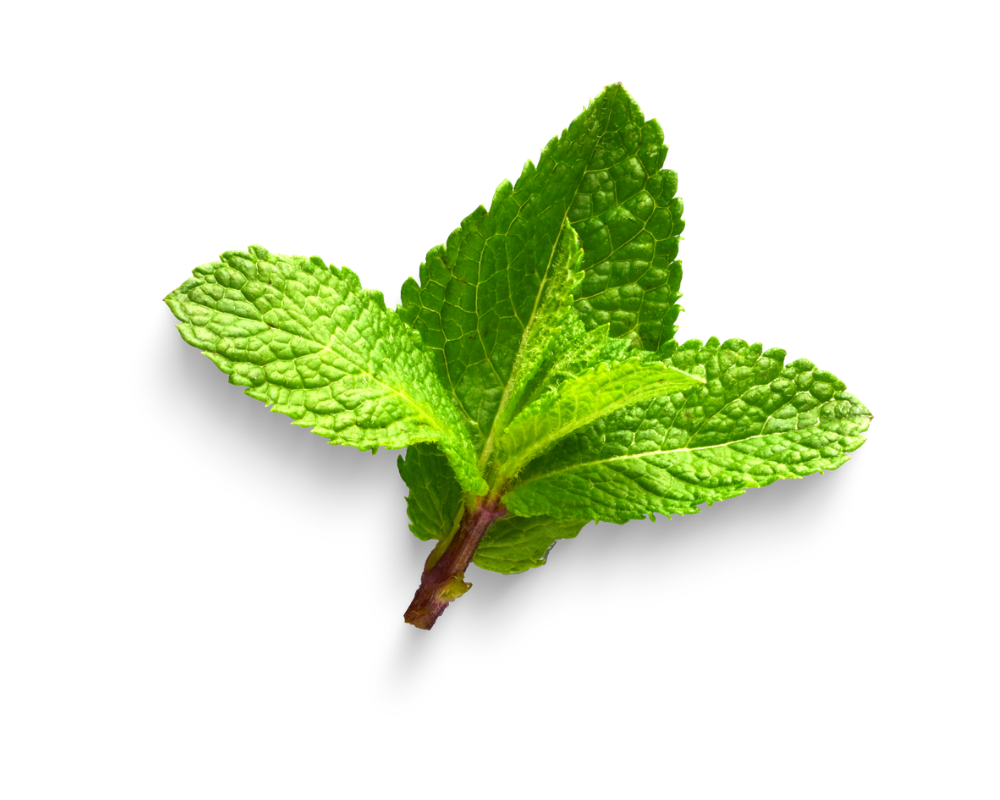
Cultural roots: Ancient Mediterranean and Egyptian traditions, Traditional Chinese Medicine, and herbal traditions across many regions
Women’s wellbeing connection: Digestive comfort and emerging research on spearmint and androgen levels in women with PCOS
If ginger teaches us that medicine may already be in the kitchen, mint takes that idea even further.
Mint may be the most familiar plant in this article, which makes its history particularly easy to overlook.
Different species within the Mentha family have been used for centuries across many cultures.
Records show medicinal use of mint species in ancient Greece, Rome, and Egypt, particularly in relation to digestion and other everyday ailments.
But there is an important botanical distinction.
Modern peppermint, Mentha × piperita, is a natural hybrid of water mint and spearmint. It was formally described much later.
Rather than saying ancient Egyptians specifically used peppermint, it is more accurate to say that mint species have ancient medicinal traditions.
Explore The History And Research On Peppermint.
Across another healing tradition, field mint known as Bo He has a long history within Traditional Chinese Medicine.
Within that system, Bo He has its own traditional energetic qualities and therapeutic classifications. These belong to the framework of Traditional Chinese Medicine and should not be translated directly into Western biomedical diagnoses.
One family of plants.
Different cultures.
Different systems of understanding.
That diversity is part of the beauty of herbal tradition.
Why Mint Is Particularly Interesting for Women
This is another place where botanical precision matters.
Peppermint is not the same plant as spearmint.
Peppermint oil has been studied most extensively for digestive symptoms, including irritable bowel syndrome.
Explore The National Center For Complementary And Integrative Health Overview Of Peppermint Oil.
Spearmint, Mentha spicata, has separately attracted interest in women’s health.
A small randomized controlled trial involving women with polycystic ovary syndrome found that drinking spearmint tea twice daily for one month reduced free and total testosterone levels compared with a placebo herbal tea.
Women also reported improvement in hirsutism, although objective measures of hair growth did not significantly change during the short study period.
Read The Spearmint And PCOS Randomized Trial.
The study is intriguing, but it was small and short.
Spearmint should not be presented as a treatment for PCOS or as a replacement for medical care.
It does, however, offer another fascinating meeting point between Earth Medicine and Womb Wisdom.
Sometimes the ordinary plants sitting in our kitchens are the ones that still have something to teach us.
Bringing Mint Into Your Life
Grow mint on a windowsill or in a pot outdoors.
Crush a fresh leaf gently between your fingers and breathe in its scent.
Add a few leaves to water.
Steep them into tea.
Notice how something so familiar can become different when you give it your attention.
A cup of mint tea does not need to become another miracle cure.
Sometimes tending the plant, touching the leaves, and sitting long enough to drink what you have prepared can itself become a ritual of care.
Continue Your Womb Wisdom Practice
For women exploring hormone and cycle awareness, continue with Gaia Goddess’s Support Womb Wellness, Hormone Balance And Cycle Regulation With Self Acupressure.
For menstrual discomfort, explore Gentle Movement For Menstrual Cramp Relief.
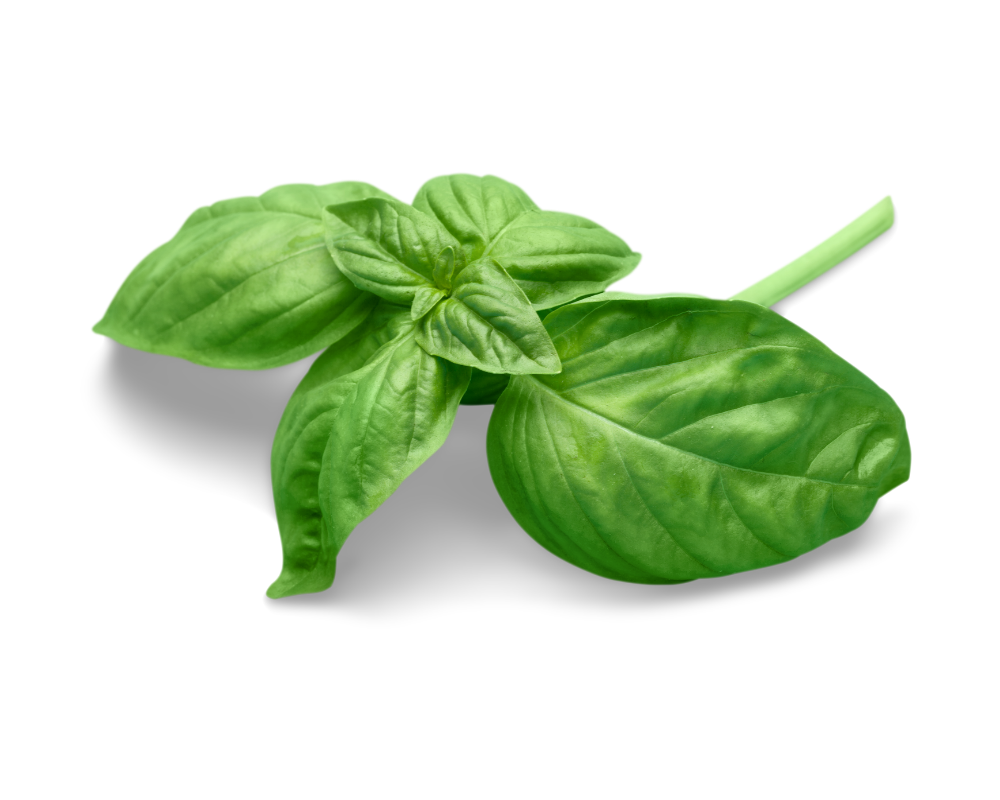
Sacred Basil or Tulsi: A Sacred Plant in the Home
Cultural roots: Hindu spiritual traditions, Ayurveda, and Siddha medicine
Women’s wellbeing connection: Stress resilience, sleep, and emotional restoration
The first four plants invite us to rediscover what is familiar.
Tulsi asks something deeper.
What if a plant is not simply something we use?
What if it is something we tend?
Tulsi, also called holy basil, is native to the Indian subcontinent and has been used within Ayurvedic medicine for thousands of years.
It is also deeply woven into Hindu spiritual life.
Within Hindu traditions, tulsi is revered as sacred and personified as a goddess. Traditionally, many Hindu families have grown tulsi in the home or courtyard, where caring for the plant forms part of household spiritual practice.
Its leaves may be used in devotional offerings, while tulsi wood and seeds can be made into prayer beads used during meditation and chanting.
Explore Research On Tulsi As A Sacred And Medicinal Plant.
Here, the line between herb, medicine, sacred symbol, and living presence becomes beautifully blurred.
This is a powerful example of the intersection between Gaia Goddess Earth Medicine and Spiritual Embodiment.
The plant is not valued solely for what it might do to the body.
Relationship and reverence are part of its meaning.
Why Tulsi May Matter for Women
Tulsi requires more nuance than saffron, lavender, or ginger.
Current clinical evidence is not strong enough to claim a specific reproductive or hormonal benefit for women.
What research does suggest is potential support for stress and sleep.
A randomized placebo controlled study of adults experiencing stress found that a standardized tulsi extract was associated with improvements in perceived stress and some measures of sleep, along with changes in cortisol responses.
Read The Randomized Tulsi Stress And Sleep Study.
Why does this matter within Womb Wisdom?
Because women do not experience their cycles, sexuality, menopause, sleep, and emotional lives as isolated systems.
Stress can shape how we experience all of them.
The Womb Wisdom connection here should therefore be understood as whole woman support, not as a claim that tulsi directly regulates female hormones.
There is another beautiful connection.
Tulsi asks us to consider a plant not only as something we take, but as something we tend.
That may be one of the most distinctly Gaia Goddess expressions of Earth Medicine.
Bringing Tulsi Into Your Life
Tulsi is widely available as herbal tea.
Instead of drinking it simply because a package calls it a stress herb, consider learning something about the tradition that protected its knowledge.
Hold the leaves before steeping them.
Notice their scent.
Learn the plant’s name.
Acknowledge the culture from which the tradition comes.
This shift from simply consuming a product to developing a relationship with a plant sits at the heart of Earth Medicine.
Continue Your Earth Connection
Pair this section with Gaia Goddess’s Heal Disconnection From Nature Through The Practice Of Reciprocity.
The practice expands the same idea at the heart of this section:
Our relationship with the Earth can be reciprocal rather than extractive.
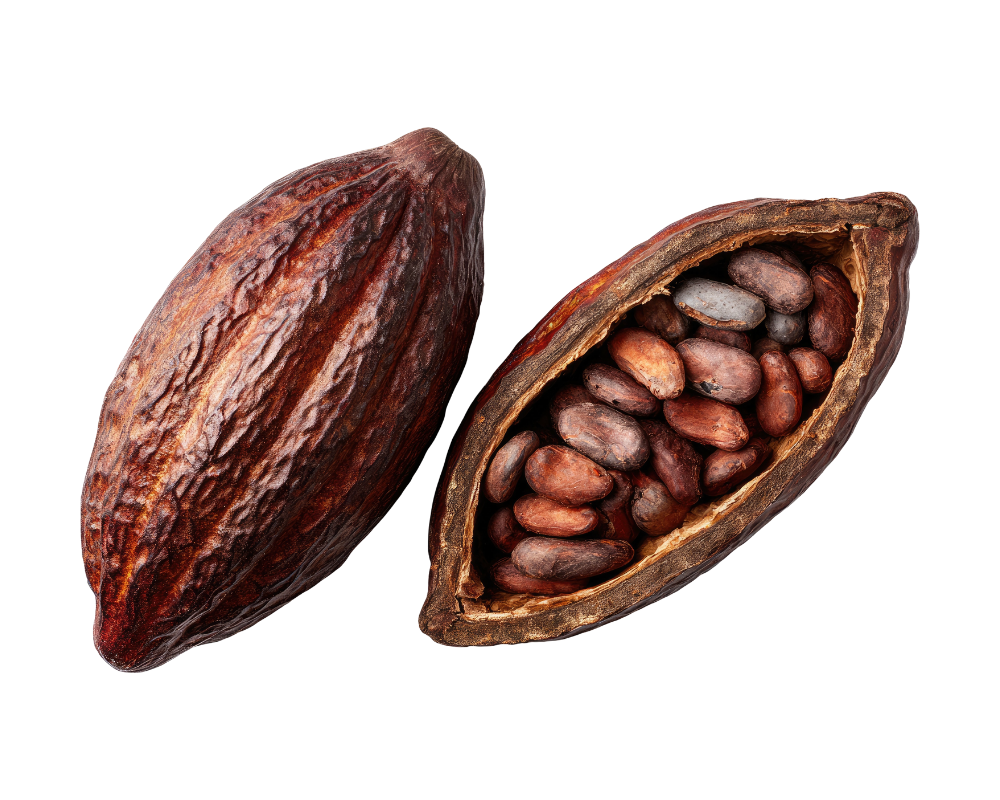
Cacao: Before There Was Chocolate
Cultural roots: Ancient Mesoamerica, including Maya and Mexica traditions and other peoples of what is now Mexico and Central America
Women’s wellbeing connection: Vascular health, circulation, emotional ritual, and wellbeing through midlife and beyond
Tulsi invites us into relationship.
Cacao carries that relationship into ritual.
Long before there were chocolate bars, there was cacao.
Cacao held profound importance within Mesoamerican cultures.
Among the ancient Maya, cacao was connected with courtly life, feasting, ritual, and social exchange. Maya vessels and hieroglyphic inscriptions offer direct evidence of cacao beverages and their cultural importance.
Explore Cacao In The Metropolitan Museum Of Art’s Maya Collection.
Some Maya cacao drinks were prepared with water, spices, and chiles. Pouring and frothing could also form part of preparation.
Cacao later held economic, social, and ceremonial significance among the Mexica, often called the Aztecs.
This history is richer and more precise than simply saying Indigenous cultures used cacao as medicine.
Different peoples used cacao differently, and its significance included ceremony, status, exchange, nourishment, and social life.
Cacao Ceremonies Today
Today, cacao is often described in spiritual wellness settings as a “heart opener.”
It is important to distinguish ancient cacao traditions from modern wellness ceremonies.
Ancient Mesoamerican cultures clearly used cacao within ritual and ceremonial contexts.
Contemporary circles that combine cacao with meditation, breathwork, sound healing, and intention setting may be inspired by these traditions, but they should not automatically be presented as unchanged ancient Maya practices.
Honoring a tradition includes being precise about where historical practice ends and modern interpretation begins.
Why Cacao Is Particularly Interesting For Women
Cacao contains naturally occurring compounds called flavanols.
Researchers have studied cocoa flavanols in connection with vascular function and blood flow.
This may be particularly relevant during and after menopause, when women’s cardiovascular risk changes.
A randomized trial involving postmenopausal women found that a flavanol rich cocoa beverage improved some measures of endothelial function.
Read The Study In Postmenopausal Women.
Other studies have explored cocoa and vascular health in postmenopausal women, although findings vary and the research does not justify treating cacao as a cardiovascular therapy.
Read Research On Cocoa And Arterial Stiffness In Postmenopausal Women.
The Womb Wisdom connection here extends beyond reproductive years.
A woman’s body continues changing through perimenopause, menopause, and aging.
Supporting women through those transitions is part of honoring the full feminine life cycle.
Bringing Cacao Into Your Life
Try whisking unsweetened cacao into warm milk or plant milk with cinnamon and a small amount of chile.
Add honey if you prefer a softer bitterness.
Before you drink it, pause.
Notice its aroma.
Consider the plant itself and the cultures that developed relationships with cacao thousands of years before it became candy.
Hold the cup for a moment before taking the first sip.
That moment of remembering changes the ritual.
Continue Your Cacao Practice
Begin with Gaia Goddess’s Heart Opening Cacao Meditation To Release Emotional Barriers With Plant Medicine.
You can also explore Learn To Soothe Your Heart With Lavender And Cacao, bringing two of the plants in this article together in one Earth Medicine practice.
Bringing Earth Medicine Home
Earth Medicine does not ask us to choose between ancient wisdom and modern science.
It asks us to become more discerning about both.
Traditional knowledge deserves respect, but traditional use is not automatically the same as modern clinical evidence.
Scientific research can help us understand a plant differently, but a laboratory study cannot contain the entire cultural relationship that gave that plant meaning.
Women’s health deserves the same discernment.
A plant does not become a “women’s herb” simply because wellness marketing says it supports hormones.
Sometimes we have meaningful women specific evidence, as emerging research suggests with saffron and PMS, lavender and menstrual discomfort, ginger and menstrual pain, cacao and vascular health in postmenopausal women, and spearmint and androgen levels in women with PCOS.
Sometimes the connection is broader.
A plant may support rest, ritual, nourishment, embodiment, or awareness without directly changing female hormones.
Both relationships can have value when we name them accurately.
This is where Earth Medicine meets Womb Wisdom.
It is the recognition that a woman’s wellbeing is not divided into separate pieces.
Her nervous system, menstrual cycle, sexuality, emotions, relationship with the Earth, experience of motherhood, transition through menopause, and connection with her own body belong to one unfolding life.
Perhaps returning to Earth Medicine does not require an elaborate apothecary, expensive supplements, or shelves filled with tinctures.
Let a few threads of saffron turn white rice gold.
Plant lavender and learn when it flowers.
Slice ginger and breathe in its warmth before adding it to your tea.
Grow mint on a windowsill.
Drink tulsi slowly rather than reaching for it automatically.
Taste cacao without burying it beneath sugar.
And begin asking a different question.
Not only:
“What can this plant do for me?”
But also:
Where did this knowledge come from?
Which people and traditions carried it forward?
How was this plant traditionally understood?
What does modern science actually tell us about its benefits for women?
What is my own body asking me to notice?
And what changes when I meet the plant with attention instead of simply consuming it?
This is the deeper invitation of Earth Medicine.
Not a return to the past.
A return to relationship.
With the plants.
With the Earth.
And with the wisdom of our own bodies.
Gaia’s bounty was never truly forgotten.
We simply have to remember how to meet her.
A Note on Herbal Safety
This article is for educational purposes and is not a substitute for medical advice or treatment.
Traditional use does not necessarily establish safety or effectiveness according to modern clinical standards.
Herbs, essential oils, and concentrated botanical supplements can interact with medications and may not be appropriate during pregnancy, breastfeeding, or for certain medical conditions.
Women experiencing persistent menstrual pain, abnormal bleeding, significant mood symptoms, fertility concerns, or symptoms associated with menopause should seek appropriate medical evaluation.
Consult a qualified healthcare professional before using herbs therapeutically.